

Cockroach control
in Brussels
0489 / 760 772
Cockroach treatment in Brussels
Nuisibles Out treats cockroaches in Brussels, Walloon Brabant and Flemish Brabant
Available 7 days a week, 7 am to 10 pm
There are almost always more cockroaches than the ones you see. A single cockroach should be taken seriously. Call us: we find their hiding places and treat with gels and residual insecticides.
Cockroaches are nocturnal, they hate light. As soon as you shine a light on them, they accelerate towards the nearest shadow. This means they can remain hidden in a home or business while their population secretly grows into an all-out infestation.
Cockroach or roach: is there a difference?
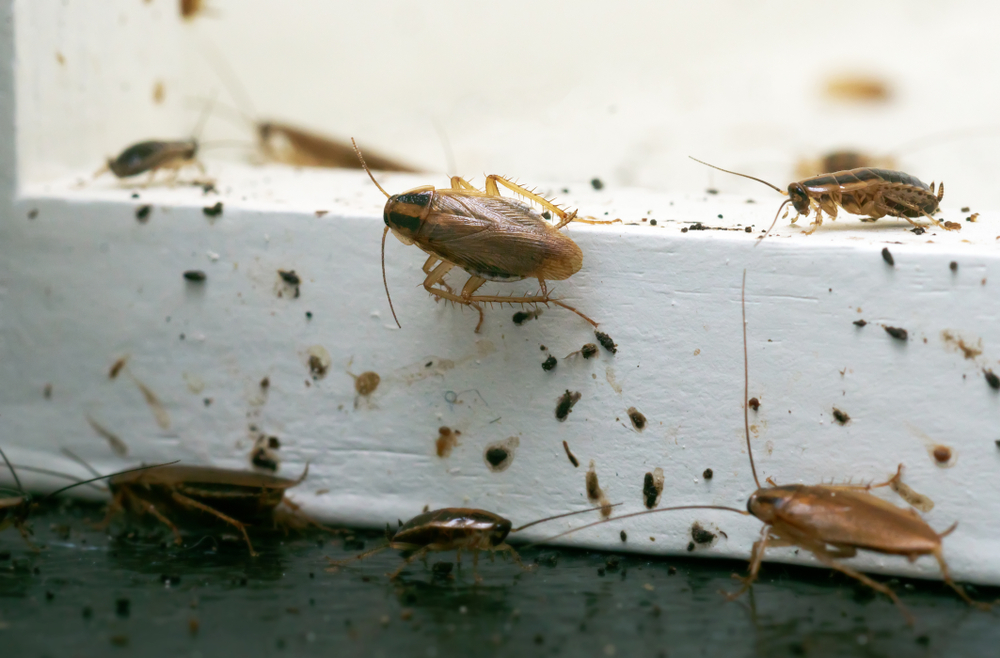
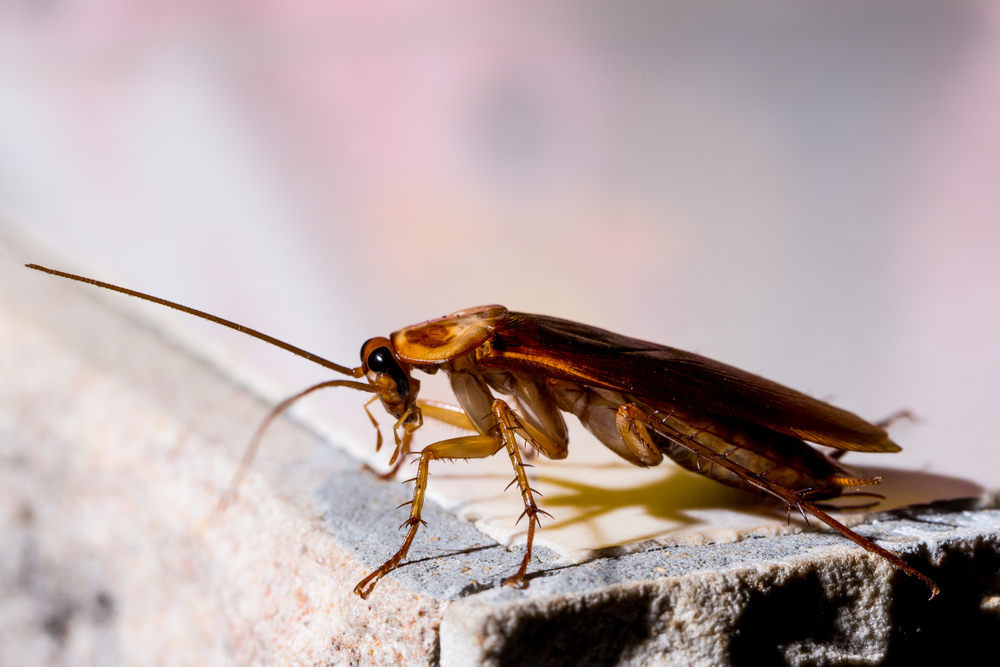
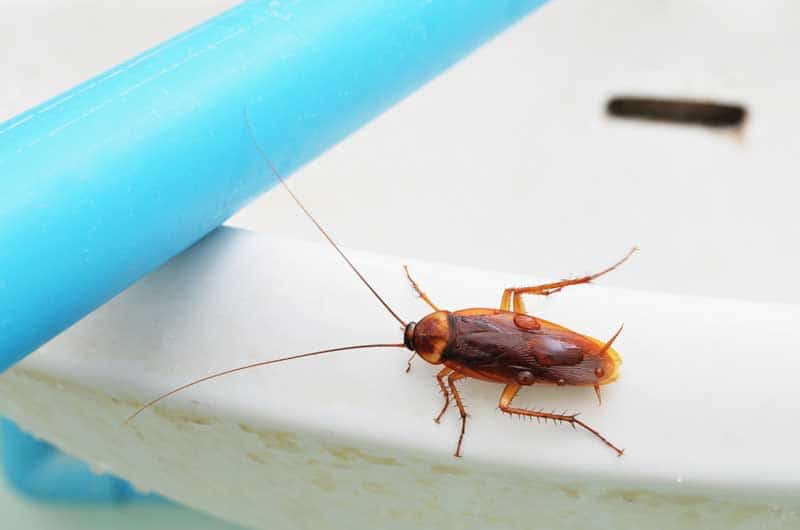
No: both words refer to the same type of insect. In homes and kitchens, the most common species is the German cockroach (Blattella germanica), light brown and 10 to 15 millimetres long. Cockroaches are nocturnal insects that eat almost anything: food waste, paper, fabric and even faeces.
Cockroaches can carry diseases such as salmonella or dysentery, and their presence in a domestic or professional environment can be very annoying. They breed quickly and hide in dark, damp places, such as kitchens, bathrooms, basements and sewers.
Cockroaches survive several weeks without food, which makes them hard to eliminate. They also resist many shop-bought insecticides and can become resistant to other products if the treatment is badly applied.
This is why it is recommended to call on a professional pest control company to fight against cockroaches in Brussels. Professionals have the skills and equipment to identify the origin of the infestation, apply the most effective methods for elimination, and prevent further infestations.
Do you suspect cockroaches in your home or business in Brussels? Contact us for a free quote. We help you get rid of them and keep them from coming back.
Cockroaches in your house?
If you have spotted a single cockroach, there are probably many more, sometimes hundreds, hiding under kitchen units, the washing machine, dishwasher or fridge, or in cracks, skirting boards and hollow walls.
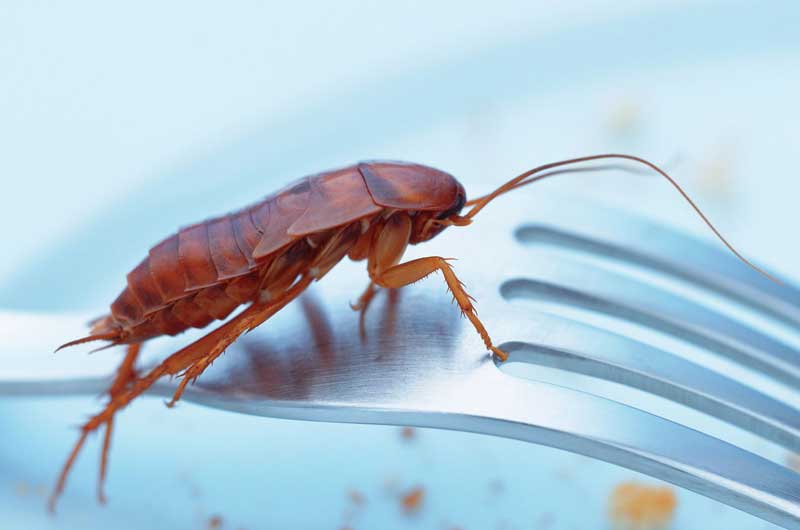
Cockroaches move through the dirtiest parts of a building, such as drains, bins and pipes, then walk over your worktops and into your cupboards. They can carry bacteria that cause diseases, such as salmonella, into your kitchen. That is why cockroaches near food must be treated without delay.
Cockroaches in your restaurant?
Why act quickly? Cockroaches are a hygiene problem, and in a restaurant, shop or hotel, a single cockroach seen by a customer can harm your reputation. Even if an infestation is not necessarily caused by poor cleaning, your customers will think it is. We offer follow-up contracts for businesses subject to FASFC inspections, from 120 € excl. VAT in Brussels.
What to do if you have cockroaches?
Lifespan of a cockroach?
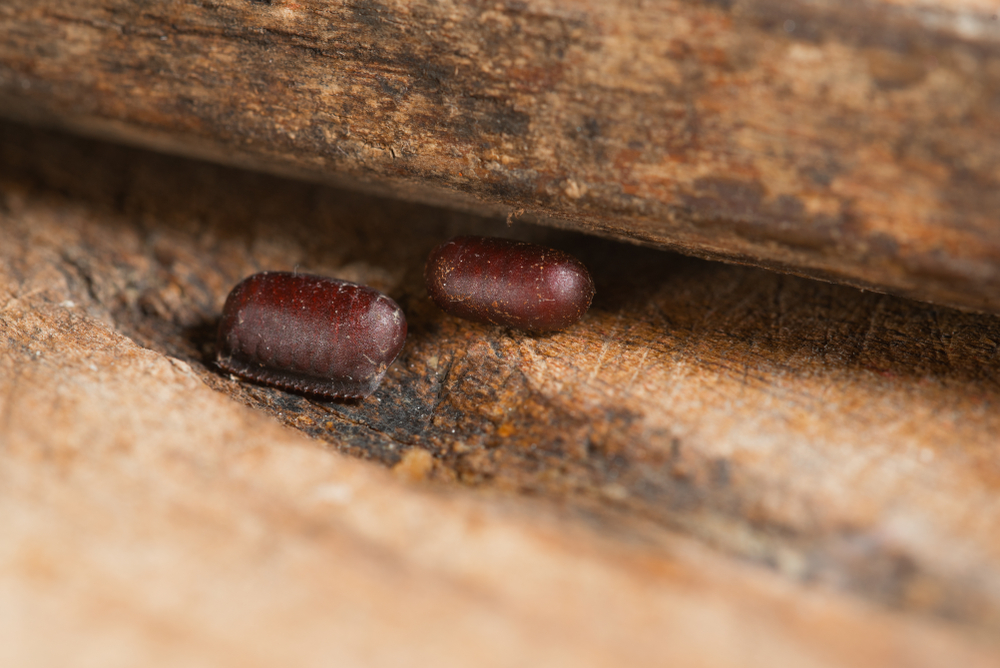
Cockroaches begin life as eggs, which females lay in clusters of up to 50 in a bag called an ootheca. They normally set up a nest in a sheltered area, although some types of cockroaches may carry around the egg case until they hatch.
After a few weeks, the eggs hatch into young wingless cockroaches called nymphs. They grow by shedding their skin several times: this is moulting. A single egg case can produce dozens of new cockroaches.
What attracts cockroaches?
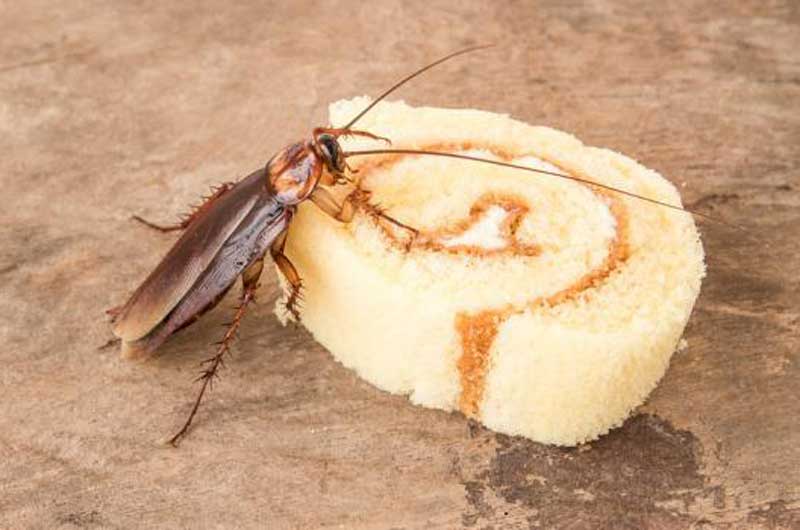
Cockroaches are known to be able to feed on almost anything, including decaying plant matter, leather, glue, fabric, soap, and even toothpaste. They will also be attracted to common food items, especially those stored in pantries. They also like sweet or starchy foods.
Contrary to popular belief, cockroaches are not necessarily attracted to unsanitary spaces. However, leaving crumbs and food scraps around your space can make a cockroach infestation worse.
How to prevent cockroaches from invading your home?
Make sure your home’s doors and windows are properly sealed and any cracks or openings are repaired. While cockroaches can eat almost anything, you can help minimize an infestation by keeping your space free of crumbs, rotting food, and debris. Don’t let dirty dishes pile up, take out the trash regularly, and clean up spills and food scraps promptly.
You can also take steps to reduce the humidity in your home to make it less desirable for cockroaches. Install dehumidifiers, fix leaky faucets and pipes, and make sure all your closets are dry.
Our cockroach disinsection service provides you with all these means to search for, find and eliminate cockroaches in your home, office or business.
Why call a professional?
Our cockroach treatment in Brussels includes an inspection, gels and residual insecticides applied where cockroaches hide, then advice to prevent a new infestation.
A cockroach infestation problem?
Contact us
0489 / 760 772
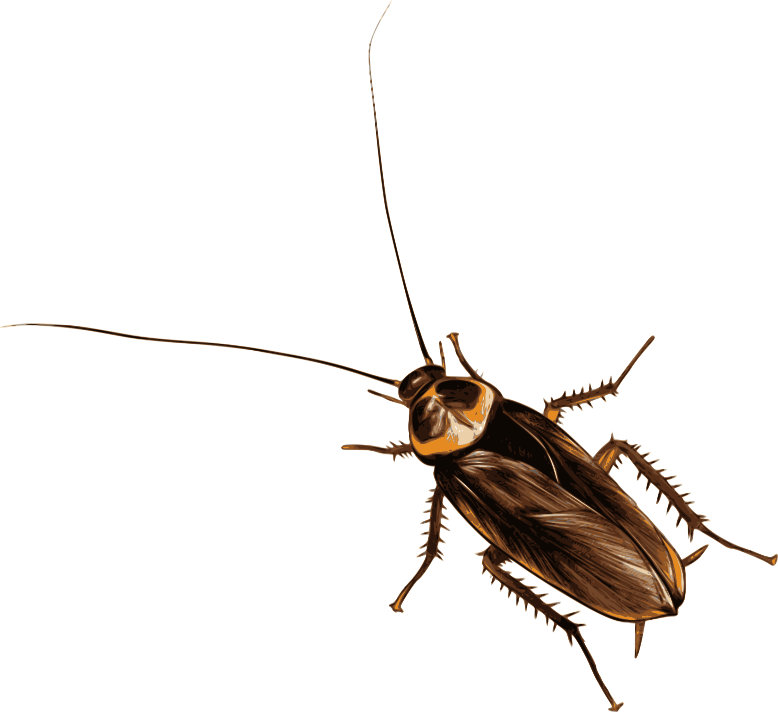
Cockroaches are common household pests
They can be a nuisance as they contaminate food and can also cause allergies and asthma. Some people are also afraid of them because cockroaches can carry diseases. But is it really dangerous to have cockroaches at home?
Cockroaches are attracted to warm, humid environments
They are often found in kitchens and bathrooms. They can enter your home through cracks and crevices or even on used furniture or boxes. Once inside, they can reproduce quickly and you’ll soon have an infestation on your hands.
One of the biggest dangers of cockroaches is that they can contaminate your food. They walk around all day and pick up all kinds of bacteria, which they then pass onto your food when they come into contact with them. This can lead to food poisoning or other gastrointestinal issues. Cockroaches can also trigger allergies and asthma attacks in people who are sensitive to them.
Do cockroaches transmit diseases?
Cockroaches can carry germs linked to diseases such as dysentery, cholera or typhoid fever. These links have mainly been observed in countries where hygiene conditions are harder than in Belgium. Here, the main risk is food contamination and allergies. If you prepare or serve meals, at home or in a restaurant, an infestation should therefore be treated quickly.
The risk of becoming seriously ill because of a cockroach remains low in Belgium. But if you have young children or someone with allergies or asthma at home, it is better to treat without waiting. An established infestation does not go away on its own: our pest control team supports you, from treatment to prevention advice. The earlier the treatment starts, the simpler and faster it is.
Cockroaches can carry the germs of salmonella, typhoid fever or gastroenteritis. They are mainly passed on through contaminated food or contact with their droppings. Keep food closed, clean up crumbs and have an infestation treated quickly to limit this risk, especially in a kitchen.
Cockroaches at home should not be taken lightly, especially with children or pets: allergies, asthma, contaminated food. Cockroaches in Brussels? Call Nuisibles Out on 0489 / 760 772, 7 days a week from 7 am to 10 pm, for a free quote.
Nuisibles-out

Rats

Mice
Ants

Pigeons
Wasps and hornets
Cockroaches
Bed bugs
Fleas

Canine detection
